
The Ultimate Guide to Outdoor Learning: 17 Powerful Benefits for Children & Educators

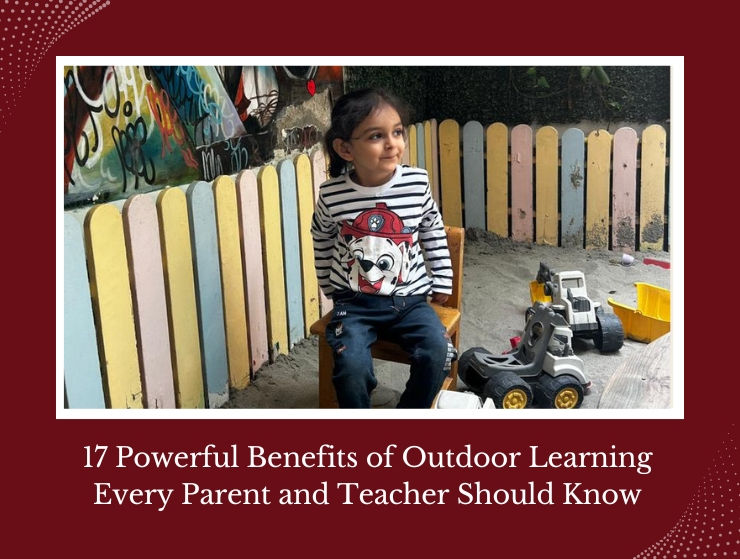
Children thrive when they’re allowed to learn, explore, and experiment beyond the walls of a classroom. That’s exactly why outdoor learning is becoming an essential part of modern education. When a child sits in a sand pit, plays under a tree, or observes insects in the grass, the outdoors becomes their school—rich with textures, sounds, challenges, and discoveries.
Outdoor learning gives children the freedom to engage their senses, build resilience, solve problems, and understand the world in a more meaningful way. Whether you’re a teacher, parent, or caregiver, this guide will help you understand how powerful outdoor learning can be.
What Is Outdoor Learning?
Outdoor learning refers to educational experiences that take place outside traditional indoor classrooms. It uses natural and built outdoor environments—such as forests, sand pits, gardens, or playgrounds—to support children’s curiosity and development.
Core Meaning and Purpose
The goal is simple: Let children learn through exploration, movement, and direct interaction with the environment.
Why Outdoor Learning Is Becoming More Popular
Schools are recognizing that outdoor spaces:
Boost creativity
Reduce stress
Support physical health
Improve academic performance
Make learning more joyful
The Importance of Outdoor Learning in Early Childhood
Cognitive Growth in Natural Settings
Nature stimulates the brain. Children develop:
Better focus
Stronger memory
Increased problem-solving skills
Emotional and Social Development Outdoors
In outdoor spaces, children learn:
Cooperation
Patience
Conflict resolution
Leadership
Moments like sitting alone on a chair in a sand pit offer emotional grounding and independence.
Physical Health and Sensory Benefits
Outdoor learning strengthens:
Balance
Motor skills
Coordination
Children also get essential sunlight and fresh air.
Types of Outdoor Learning Environments
Forest Schools
Hands-on exploration in forests encourages resilience and confidence.
School Gardens and Nature Areas
Children learn about plants, soil, insects, and ecosystems.
Playgrounds and Sand Pits
These areas develop imagination and sensory awareness.
Urban Outdoor Learning Possibilities
Even in cities, parks, rooftops, and community spaces provide natural learning experiences.
Key Principles Behind Effective Outdoor Learning
Child-Led Exploration
Children choose how they interact with their environment.
Experiential Learning
Learning happens through doing, touching, building, and observing.
Risk-Taking and Problem-Solving
Safe challenges teach children how to assess situations and build courage.
Psychology Behind Outdoor Learning for Children
How Nature Supports Attention and Focus
Natural environments reduce sensory overload.
Outdoor Learning and Emotional Regulation
Children calm themselves more easily outdoors.
Building Confidence Through Outdoor Tasks
Climbing, running, or simply balancing on a log builds self-belief.
The Role of Teachers and Educators in Outdoor Learning
How Teachers Can Facilitate Natural Exploration
Educators guide—not control—the learning process.
The Importance of Observation and Gentle Guidance
Teachers observe children’s interests and help extend learning naturally.
Outdoor Learning Activities for Different Age Groups
Preschool Outdoor Activities
Sand play
Water exploration
Primary School Outdoor Activities
Nature journaling
Measurement activities
Garden projects
Outdoor Learning for Older Students
Science experiments
Environmental studies
Team-building challenges
Safety Considerations in Outdoor Learning
Supervision and Risk Assessment
Children should explore freely but safely.
Creating Safe but Challenging Environments
Healthy risk-taking helps develop resilience.
Outdoor Learning in Different Weather Conditions
How to Prepare Children for All Seasons
Rain or shine, outdoor learning can continue with proper clothing.
Clothing, Planning, and Flexibility
Teachers adapt activities based on weather while keeping them fun.
Benefits of Outdoor Learning Backed by Research
Academic Improvement and Better Memory
Outdoor lessons help children retain information longer.
Mental Health and Well-being
Nature reduces anxiety and improves self-esteem.
How Parents Can Support Outdoor Learning at Home
Backyard and Neighborhood Activities
Simple activities like nature walks or playing in sand can teach a lot.
Encouraging Curiosity Outside
Ask questions like: “What do you notice?” or “How does it feel?”
Conclusion
Outdoor learning transforms the world into a classroom full of wonder. When a child sits in a sand pit or explores a grassy field, they’re not just playing—they’re learning, imagining, and growing. With the right support, outdoor learning helps children become confident, curious, and capable learners for life.


Comments